Rabu: I used to be afraid. Now I know I can make it.
The morning air in the Chalantika slum is heavy and humid. Narrow alleyways wake to a new day — the sound of rickshaws blends with children’s laughter and the clatter of metal dishes.
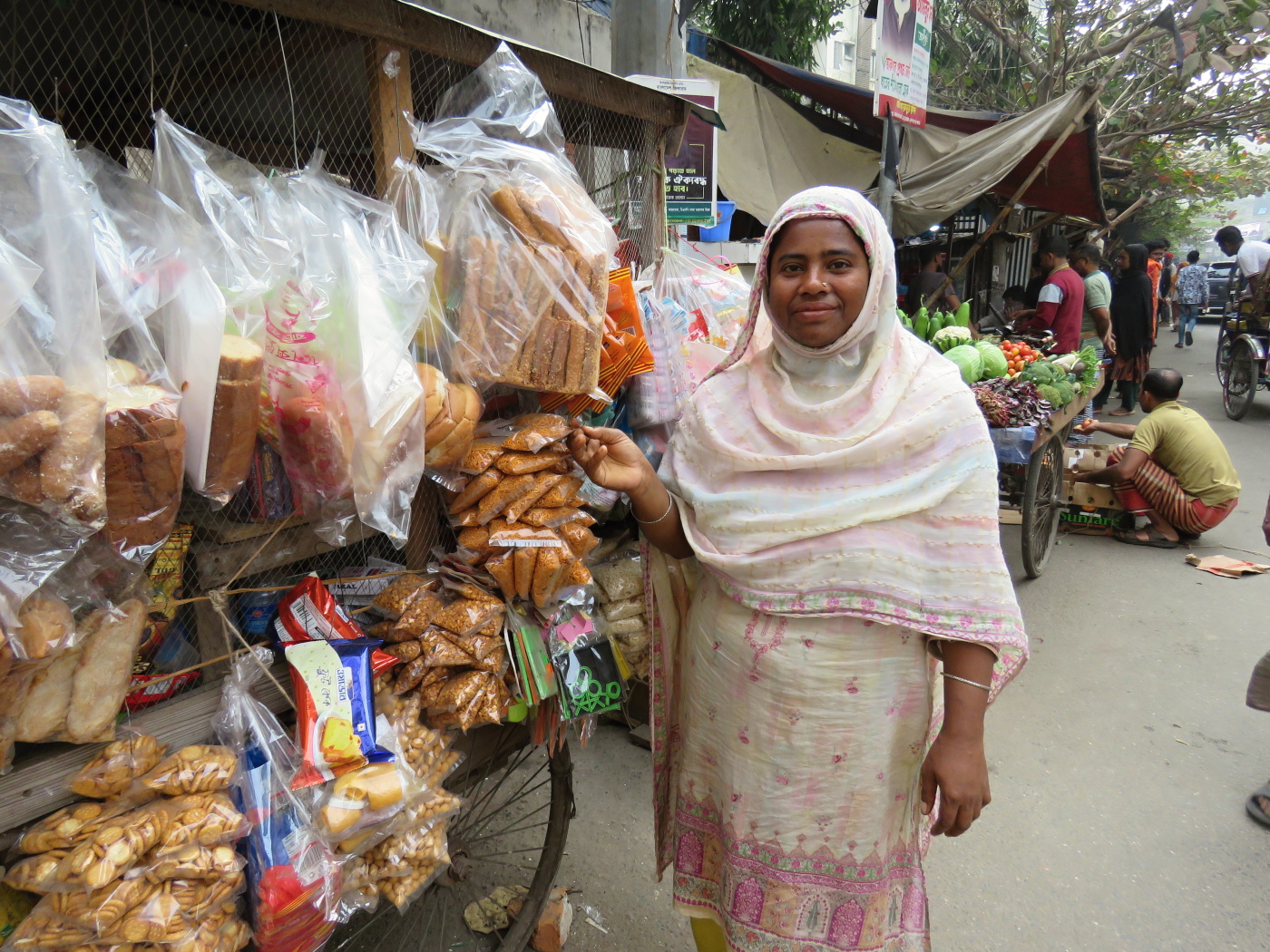
At a small wooden stall stands Rabu. She carefully pours hot tea into glasses. Steam rises from the pot. Beside her lies a neat pile of packets filled with homemade chanachur, a local snack. She packed each one before dawn, long before her two sons woke up. “This stall gives me hope,” she says. “It makes me feel I can feed my children.”
A childhood without childhood
“When I was a child, I didn’t go to school. I worked. We had nothing. Only fear of what would come next,” she adds quietly.
Rabu lost her father when she was still a baby. Her mother was left alone with six children. The family’s only piece of land was washed away by the river — and with it went their last sense of security. At the age of ten, Rabu began working as a domestic helper to help provide food for the family. “Sometimes they shouted at me. Sometimes they beat me. But I couldn’t defend myself. We needed the money.”
Marriage brought no relief
When she came to Dhaka, she hoped for a better life. Instead, she ended up in Chalantika — in overcrowded lanes, tin shelters, constant noise, little privacy and a daily fear of eviction.
Later she married, hoping it would bring stability. It didn’t. Her husband already had a first wife and children. Financial stress led to frequent arguments and violence. Leaving was not an option — it would have meant hunger and homelessness.
She became the mother of two sons. Just fifteen days after giving birth, she returned to work as a domestic helper so her children coulatd eat. "Children must eat. That was all I lived for at that time."
A small change, a major turning point
Everything began to change when her older son Nahid enrolled at the ADRA Chalantika Education Centre. “I saw he was safe. That he was learning. For the first time, I felt I could breathe again.”
Soon, Rabu joined the women’s literacy programme. She was 38 when she wrote her name for the first time.
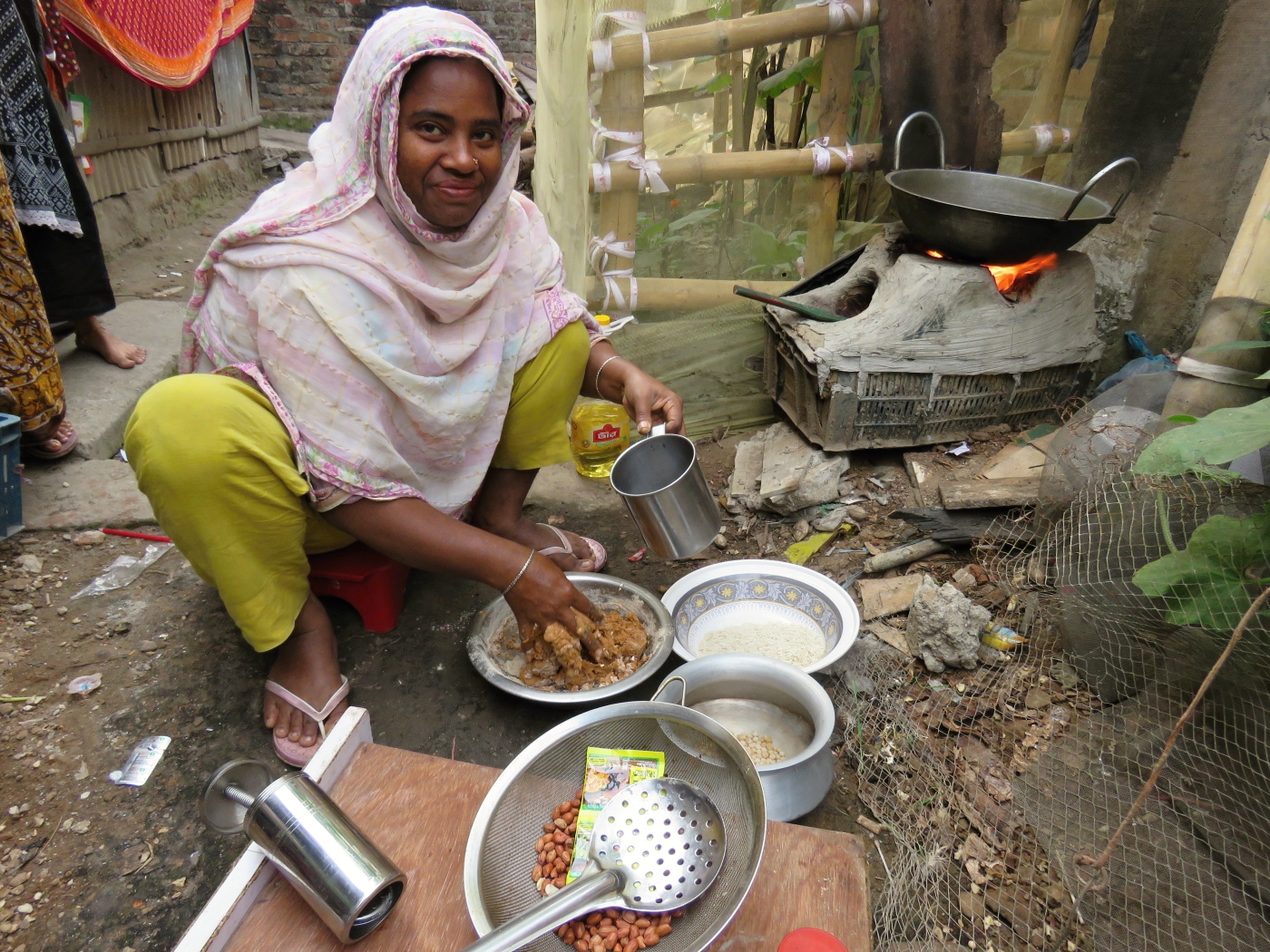
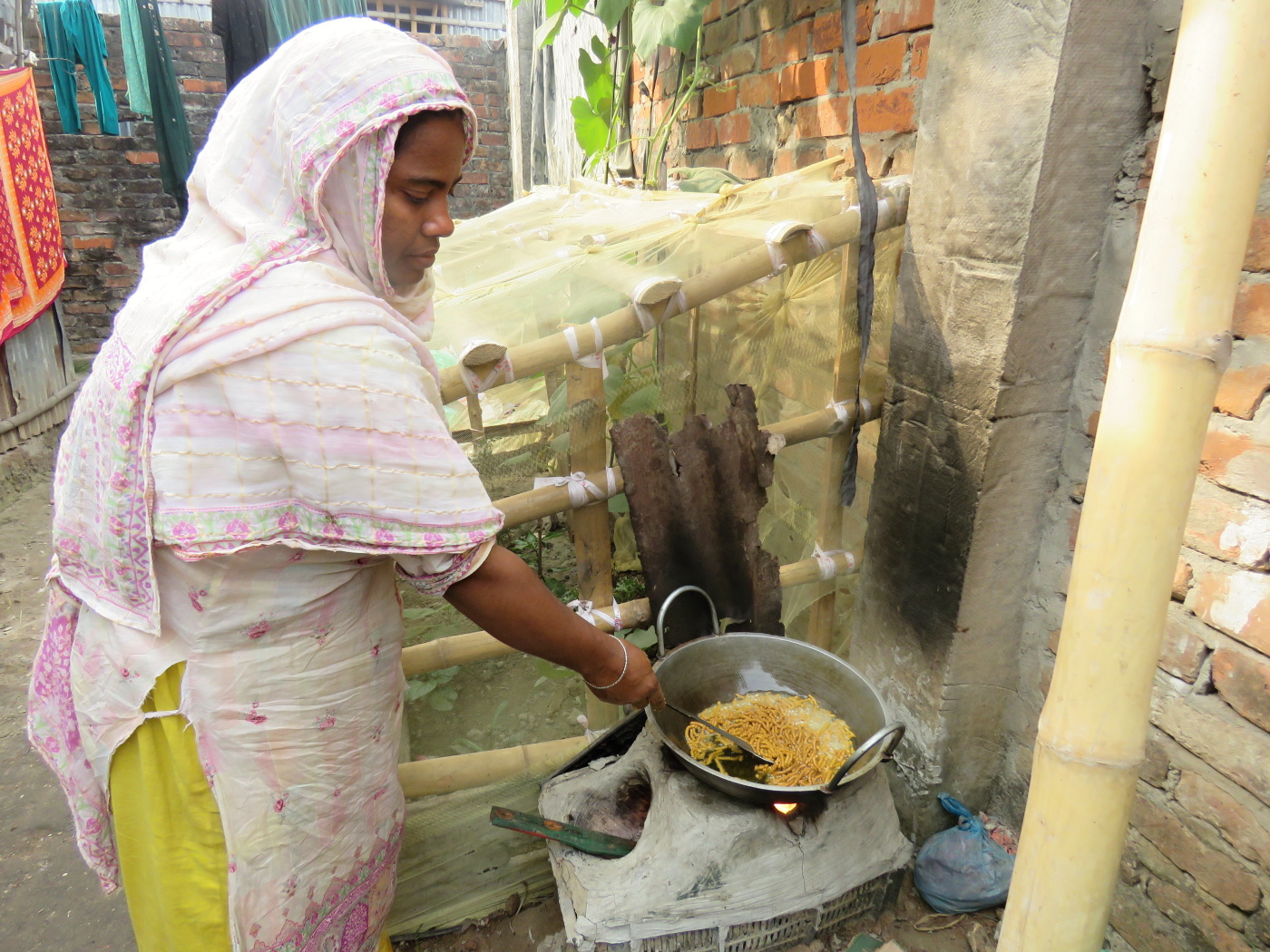
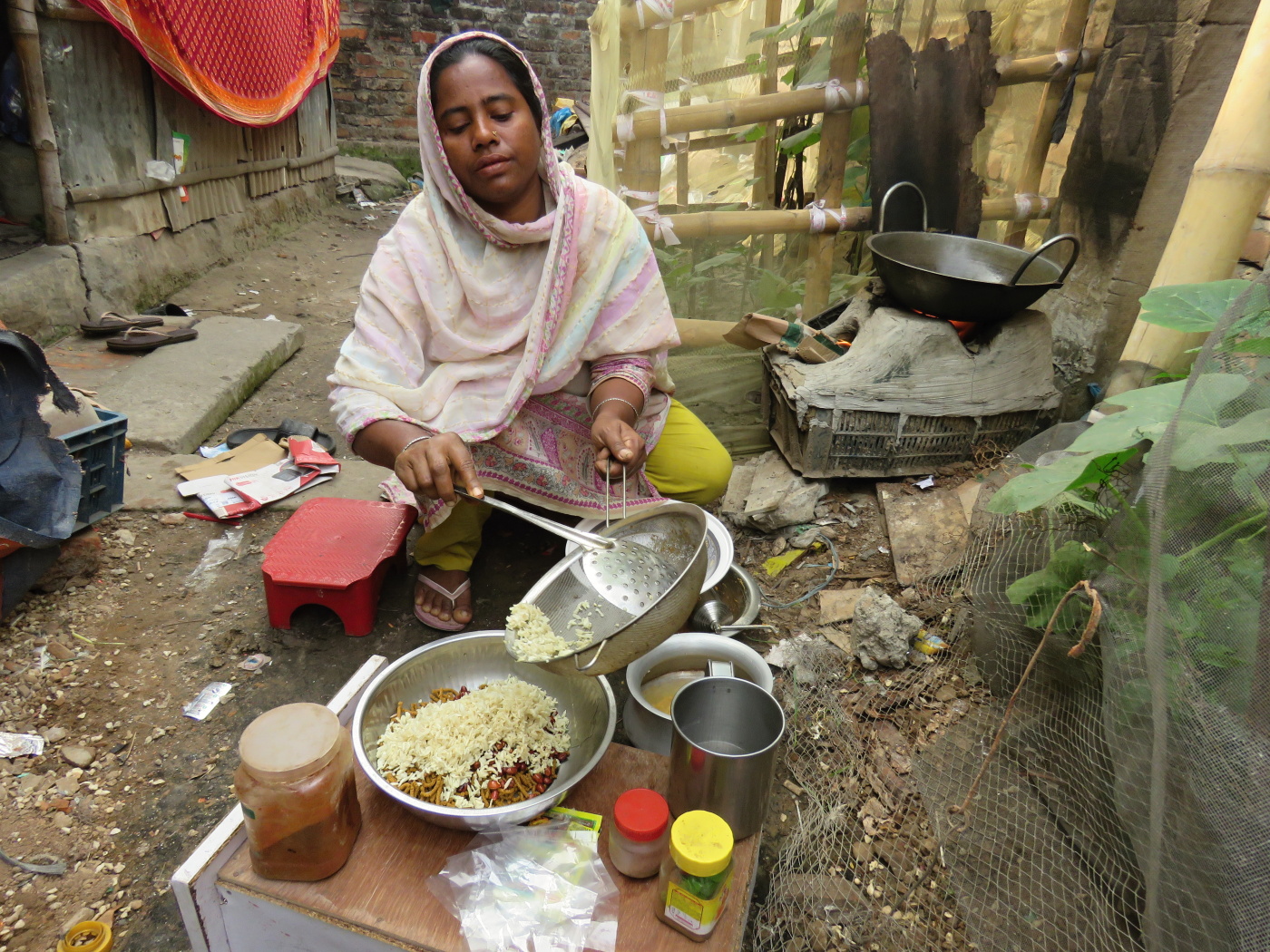
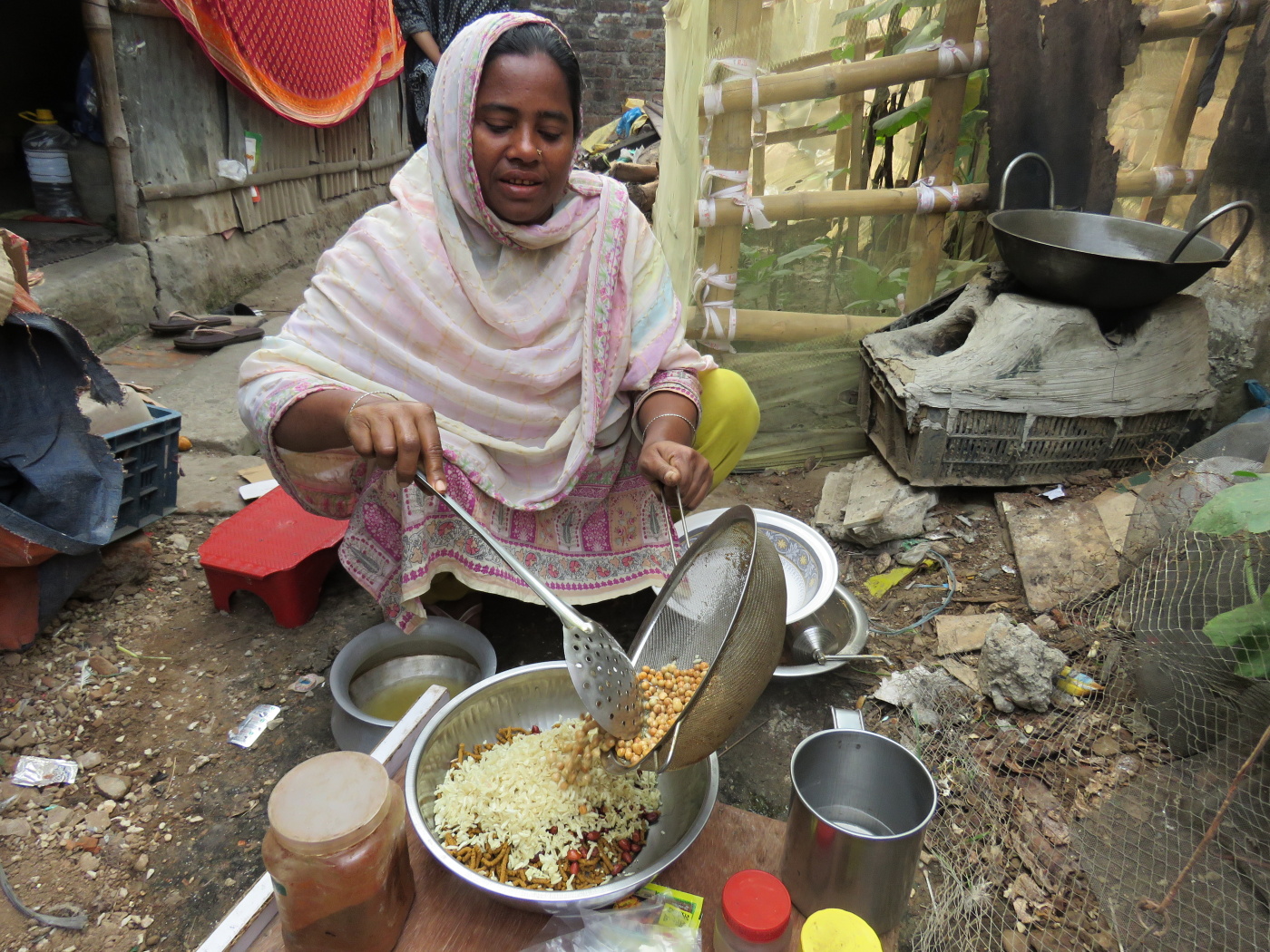
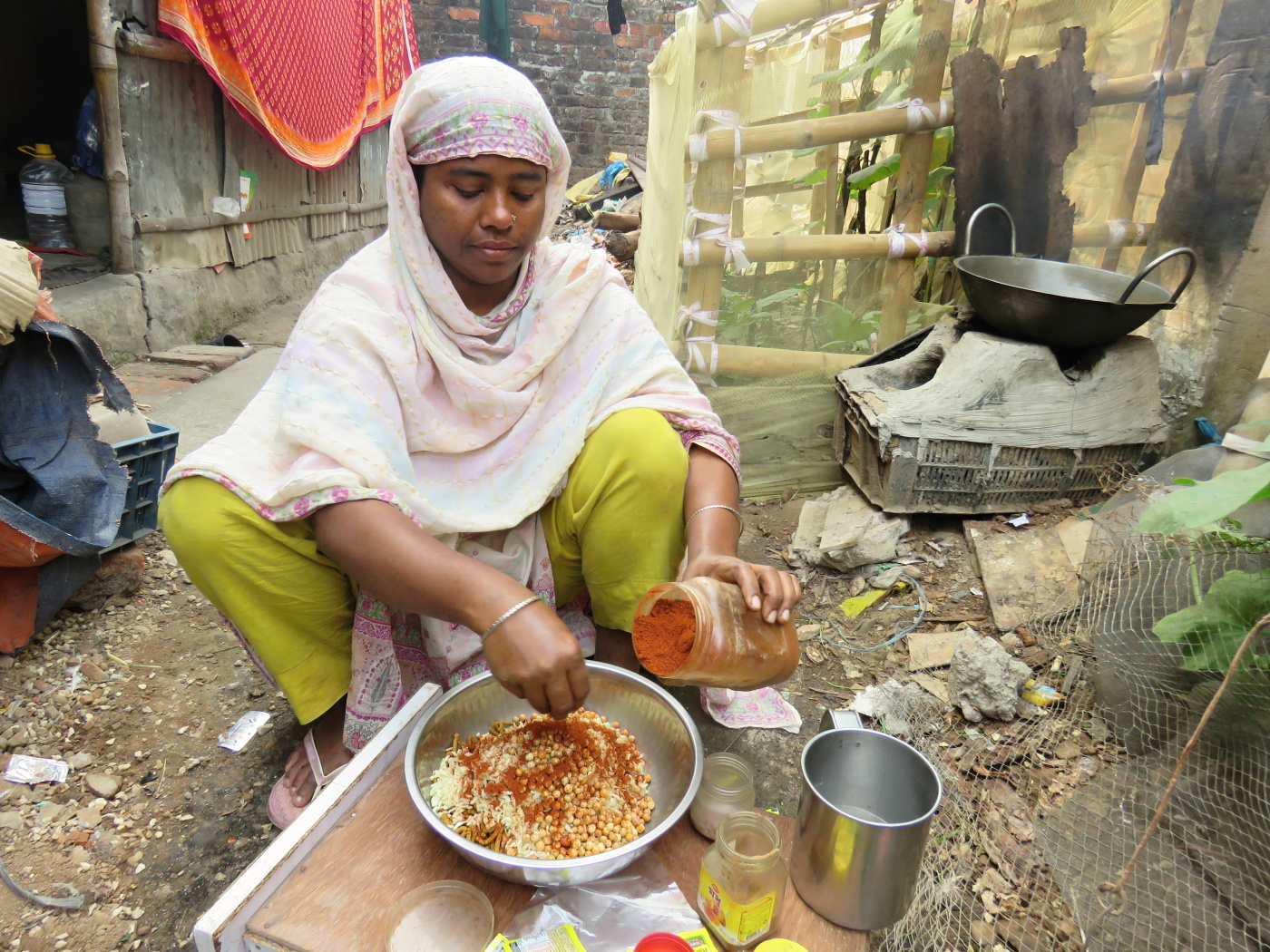
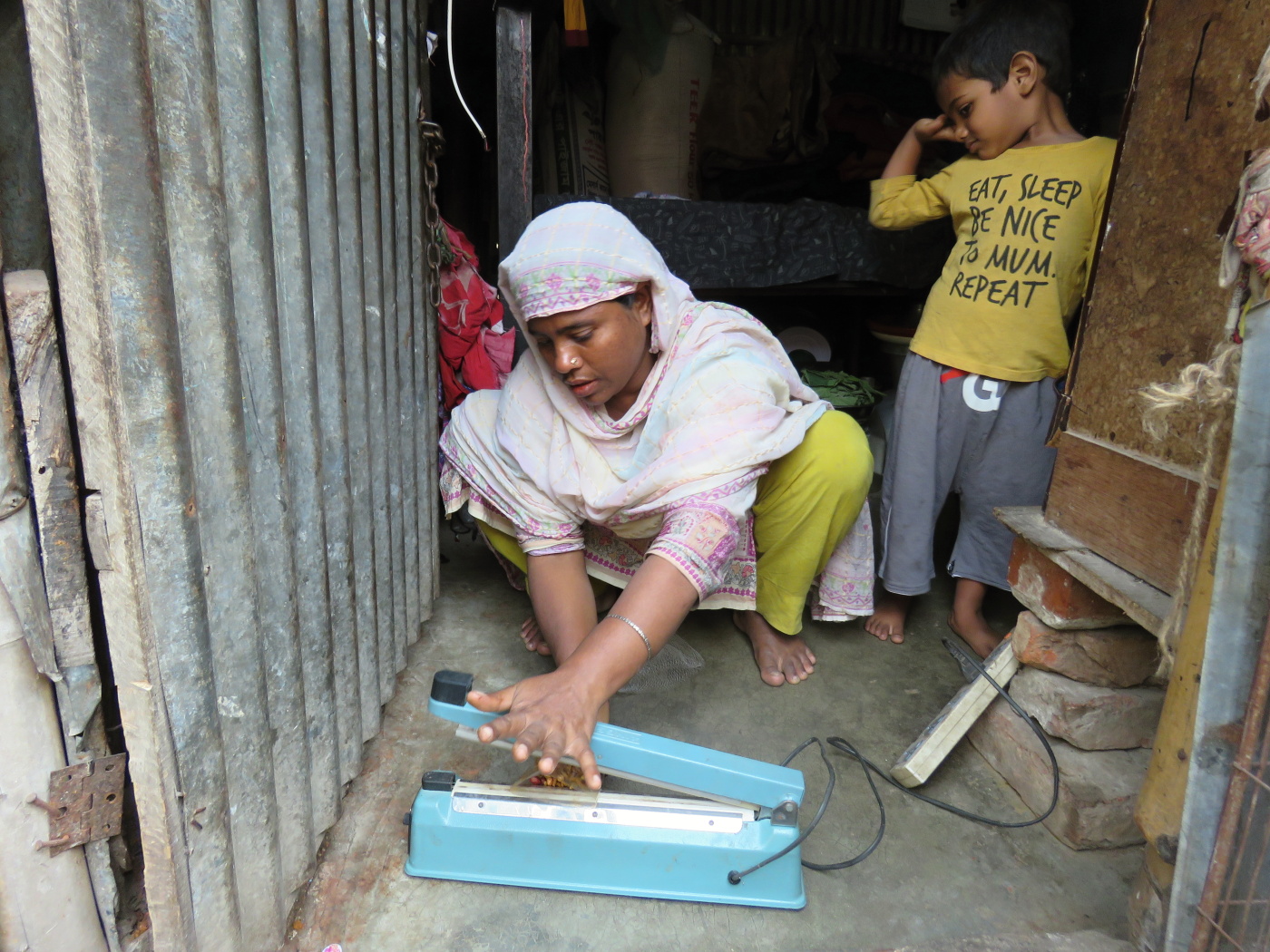
In 2024, she completed food‑processing training at the centre and received a small start‑up grant of 5,000 BDT (~35 EUR). She bought a simple stove, basic ingredients and a small sealing machine — and began making her own snacks. “It was my first step towards having my own income.”
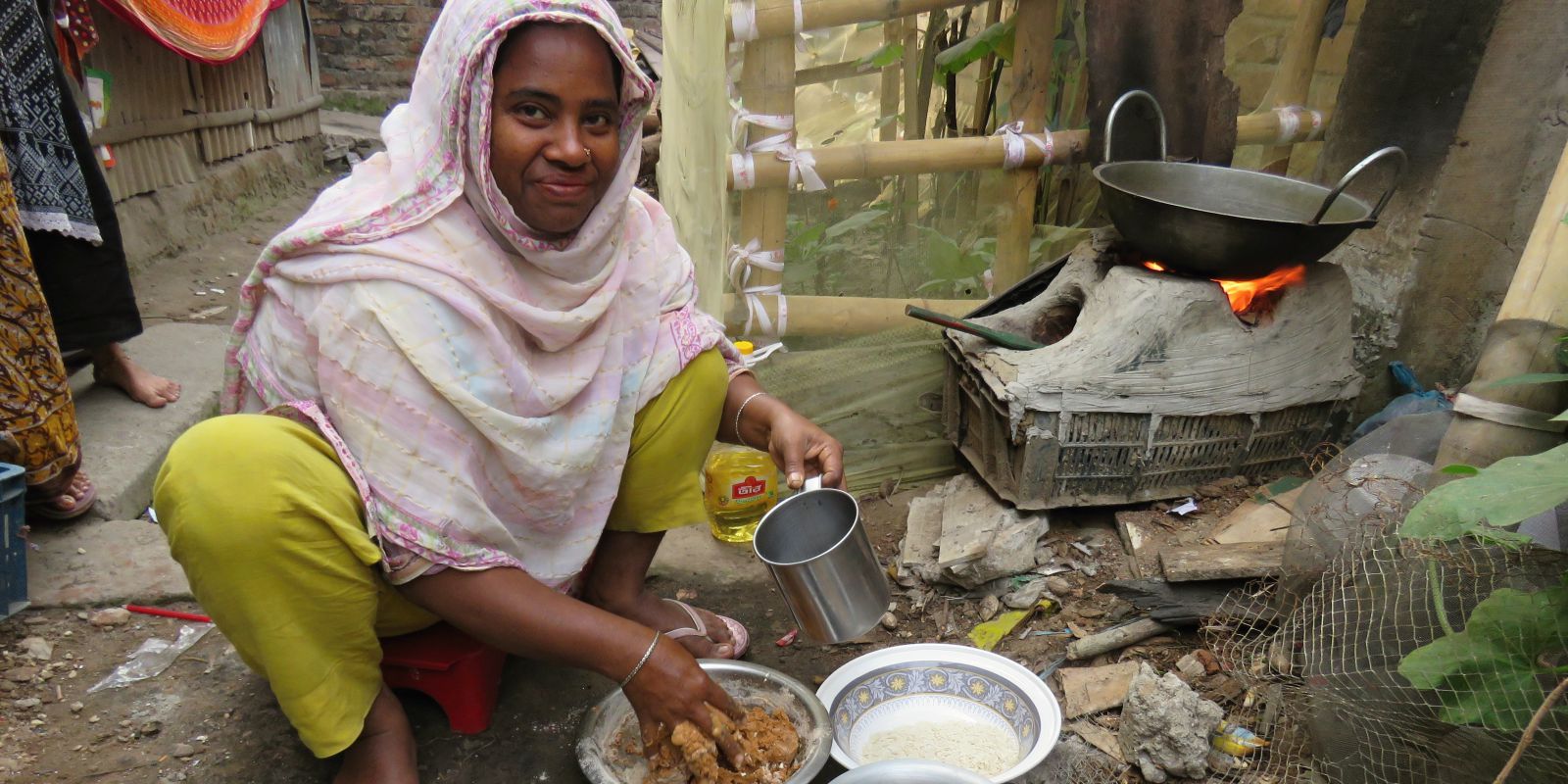
When the next crisis came, she was ready
When her husband broke his leg and could no longer pull a rickshaw, the responsibility for supporting the family fell entirely on her. “Before, I wouldn’t have known what to do. But this time, I had a plan.”
Rabu opened a small stall. She sells tea, biscuits and her homemade chanachur. Today, she works as a domestic helper in just one household — and spends the rest of her time running her business. “I earn my own money now. It’s not much, but it’s enough. And I’m not as afraid as I used to be.”
Hope that grows with her children
Her older son Nahid walks out of the slum with his schoolbag. He passes by the stall, waves to his mother and disappears into the next alley. Rabu smiles. She is proud of him. “I want him to study. I want to give my sons what I never had.”
She pours another glass of tea as customers come and go. Life is still difficult, but no longer just about survival. “I used to be afraid of life. Now I know I can make it. And that my children will have a different future.”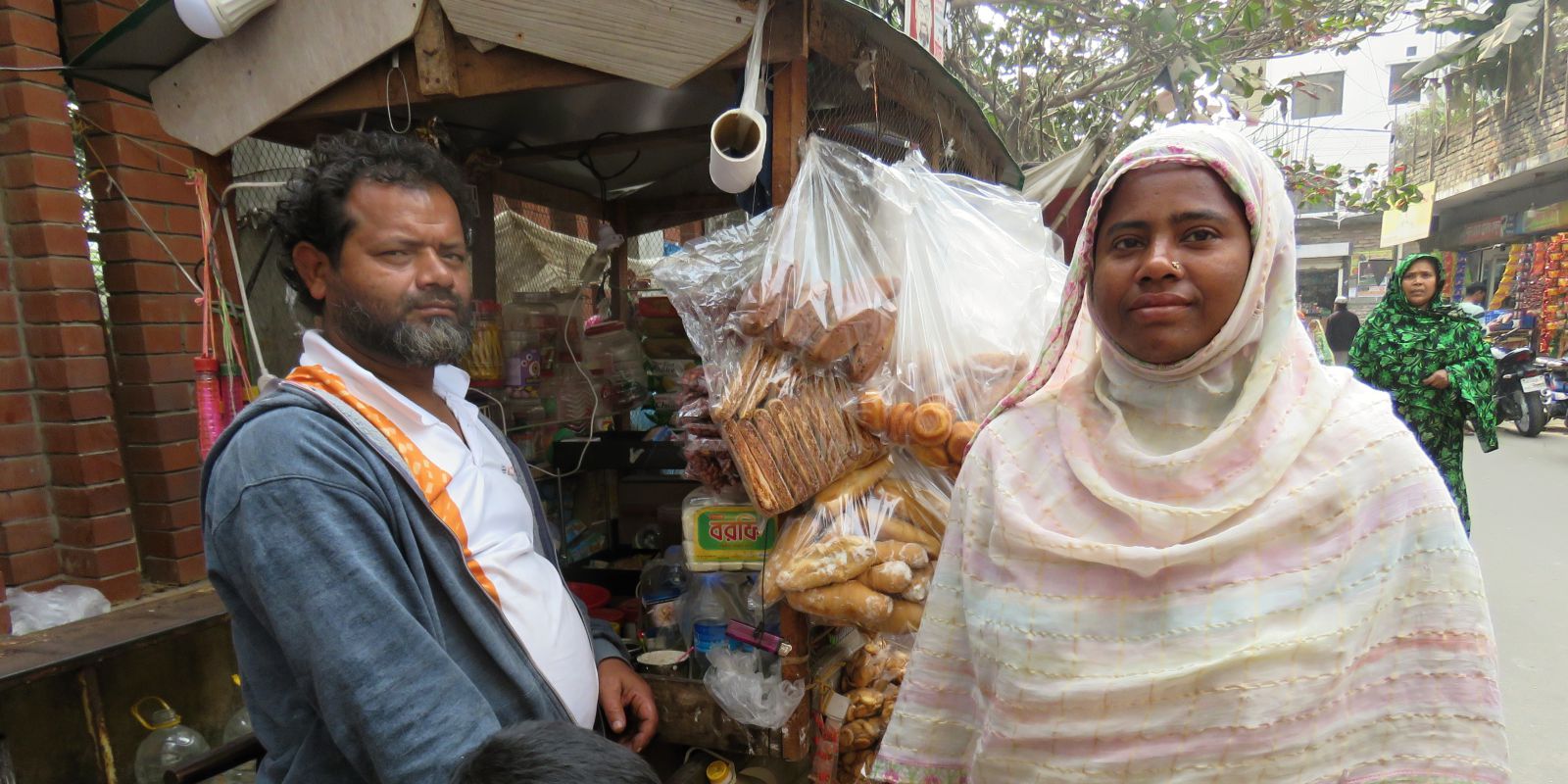
How you can help
Thanks to the support of ADRA, Rabu gained access to education, new skills and a small start‑up grant that helped her rebuild her life. Many other women and children in Chalantika face similar challenges today.
Your support can give them the same chance — the chance to stand on their own feet and change the future of their families.
Donate Education. Donate a Future.
Thank you!