Chalantika 2025: Education and Health for Children and Mothers
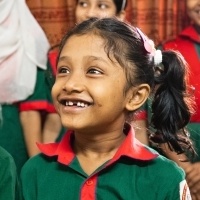
In 2025, the Chalantika programme worked intensively in the challenging environment of a poor urban slum. Thanks to the support of donors, partners and the local ADRA Bangladesh team, the programme provided children with a safe educational environment, regular nutrition and healthcare, while also strengthening the role of parents and the wider community.
Support for Children in the Chalantika Slum
The Chalantika programme provides children living in the slum with a stable and supportive environment that is often missing from their everyday lives. The education centre is a place where children can study regularly, receive individual support, and experience a sense of safety and acceptance. The overview below illustrates the scope of the centre’s daily work in 2025:
- 80 children enrolled in the education centre
- 1,100 educational lessons with an average attendance rate of 94.6%
- 16,639 nutritious lunches provided to children
- 517 health consultations and regular preventive check-ups
- 960 home visits focused on school attendance, hygiene and family conditions
- school supplies, textbooks, uniforms, school backpacks, warm sweatshirts and footwear
Thanks to this combination of regular education, family support and material assistance, children have a real chance to stay in school, develop their abilities and gradually change their life prospects. The year 2025 once again confirmed that linking education, nutrition and healthcare with the active involvement of parents creates real and long-lasting impact.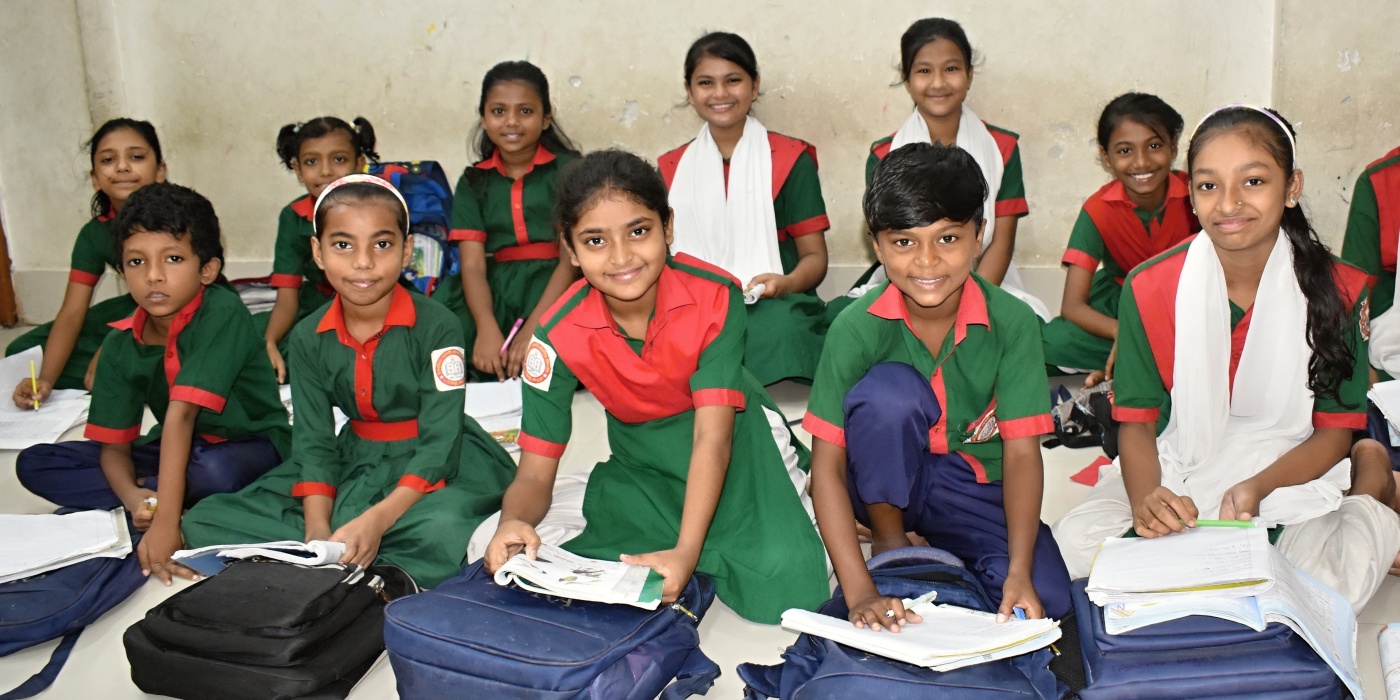 Education and Daily Care
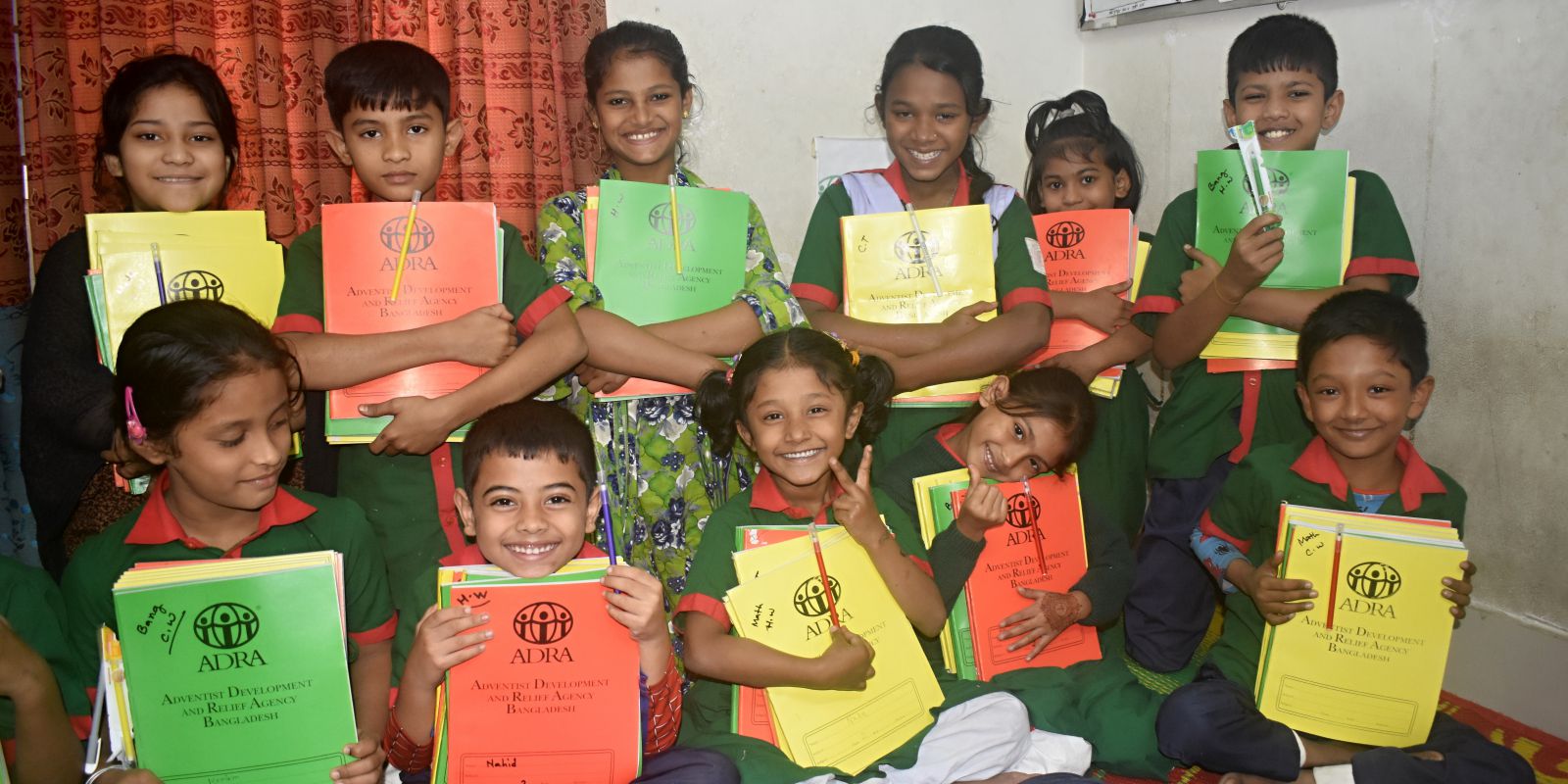
Children enrolled in the programme in 2025 attended classes regularly and learned in an environment that supports concentration, consistency and a positive relationship with education. In addition to lessons, they also received school supplies, textbooks, uniforms, backpacks, warm sweatshirts and footwear, which are often financially inaccessible for families living in the slum.
Stable attendance shows that the centre represents an important and reliable anchor in the children’s daily lives. Regular cooperation with local public schools as well as other governmental and non-profit organisations made it possible to monitor children’s academic progress and respond early to the risk of school drop-out.
An important part of the programme was also 960 home visits to children’s families. These visits allowed Chalantika staff to monitor not only school attendance, but also hygiene conditions, learning environments and the overall family situation, and to offer targeted support where it was most needed.
Nutrition and Health
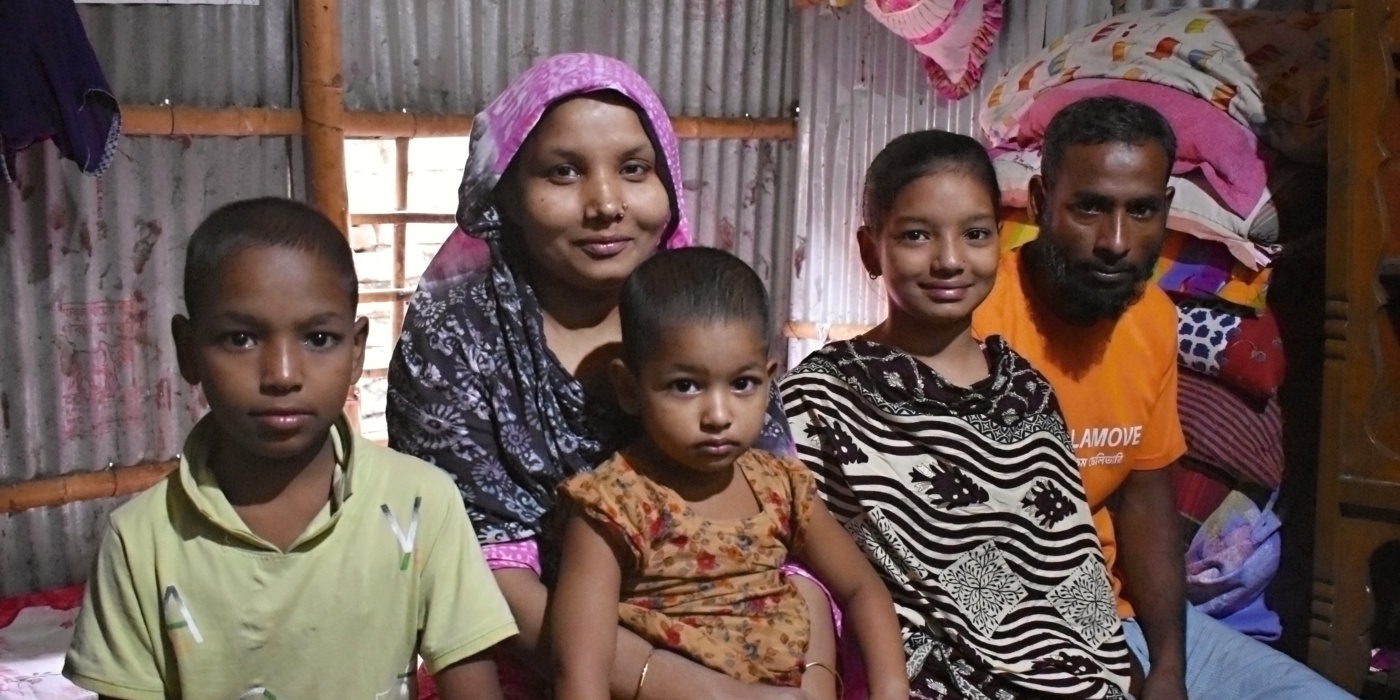
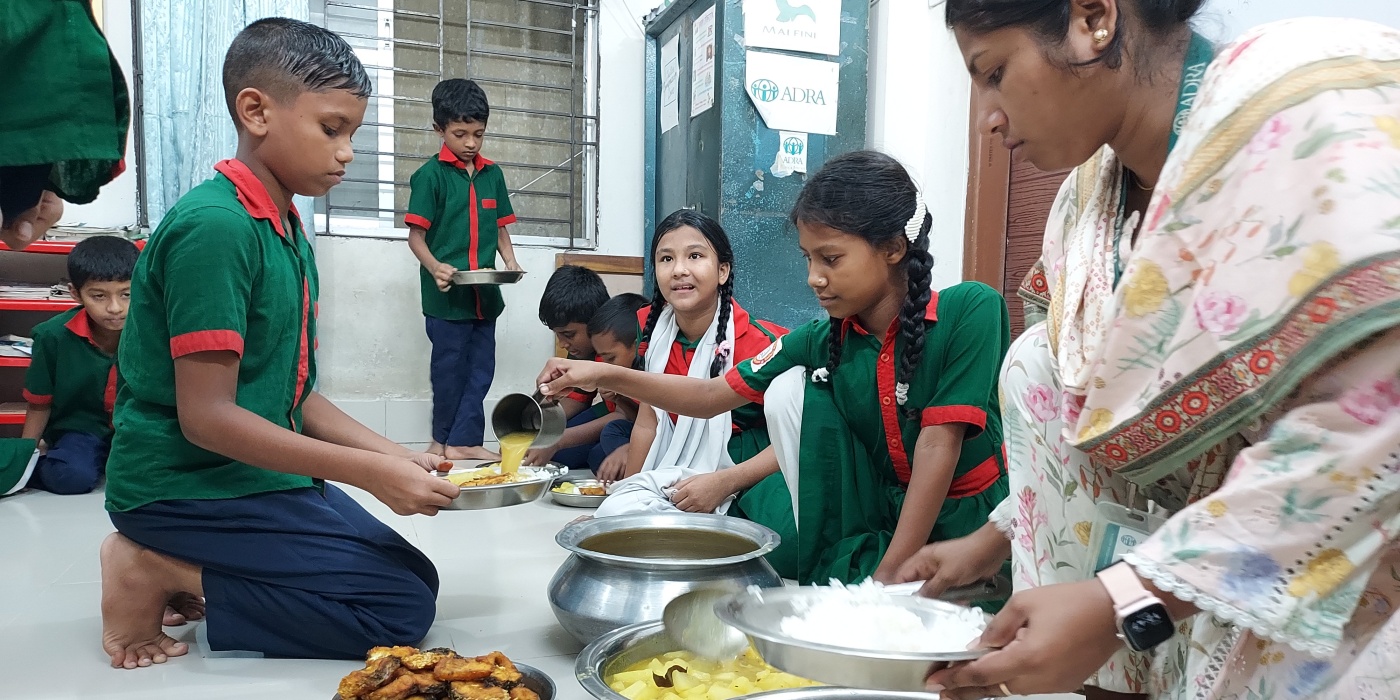
Malnutrition, hunger and untreated health issues are part of everyday reality in slum environments. Local vendors often sell poor families only a small portion of rice and lentils for a single meal, as people with extremely low incomes cannot afford more. This is why child nutrition and regular healthcare are a key part of the Chalantika programme.
In 2025, the programme provided children with 16,639 nutritious lunches, which for many represented a guarantee of regular meals. A nurse provided 517 health consultations at the centre for common childhood illnesses and, when necessary, ensured follow-up care with specialist doctors.
Regular medical check-ups were also conducted, including dental screenings and growth monitoring using BMI indicators. The results showed that 76 children maintain healthy development. Health education was delivered through 42 health-awareness sessions for children and 3 sessions for adolescents, focusing on hygiene, healthy lifestyles, child protection and the prevention of early marriage.
Parental and Community Engagement
Experience from the slum environment confirms that without the active involvement of parents, change is not sustainable in the long term. The Chalantika programme therefore systematically works with adult family members and the wider community.
In 2025, parents participated in activities focused on literacy development, health education, child protection and parenting roles. The programme also included community events dedicated to safety, hygiene and first aid. These activities promote mutual respect and coexistence within a diverse community and contribute to creating a more stable and safer environment in which children can grow and learn.
We are especially pleased by the success of mothers from Chalantika who proudly completed tailoring and food-processing courses. A total of 19 women received certificates along with practical support in the form of sewing machines and electric cookers, helping them start small-scale businesses, increase family income, and strengthen their self-reliance, confidence and prospects for a better future for their children.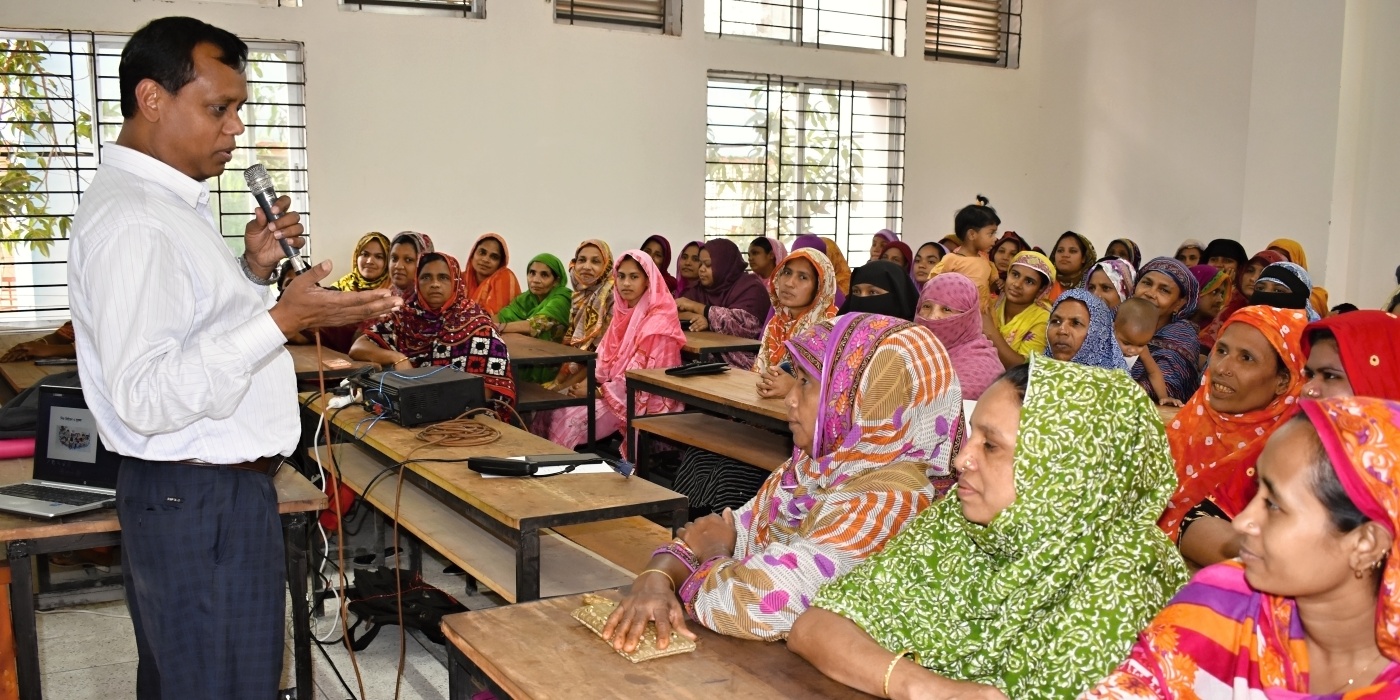
Stories That Give Meaning to the Numbers
 Behind every number in this annual report stands a real child and their story. Sopna can now attend school regularly thanks to healthcare provided through Chalantika. Ibrahim was given the chance to replace hard labour with education and to dream again of a better future.
Celebrations such as Children’s Day or the International Mother Language Day bring children from the slum not only joy, but also a sense of self-worth and identity. These small yet essential moments reveal the true impact of the Chalantika programme – changing individual lives and opening new paths where almost none existed before.
Cooperation and Centre Development
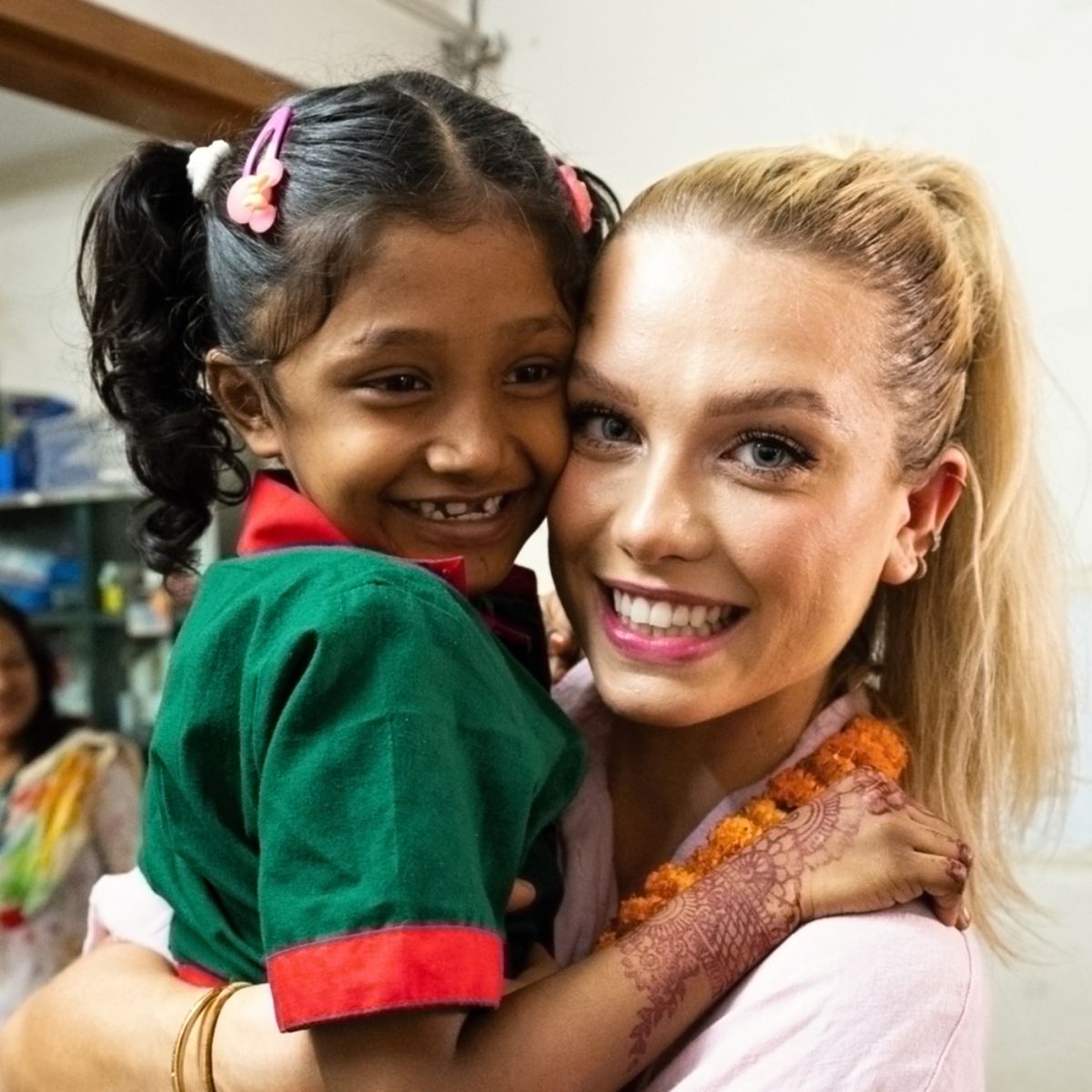
The daily operation of the education centre is ensured by the local ADRA Bangladesh team, who provide children not only with education, but also with safety, stability and acceptance. The Chalantika programme is built on long-term cooperation with the local community and partner organisations. Awareness of the educational centre and the needs of children from Čalantika is also helped to spread by Justýna Zedníková, Miss Czech Republic, and the influencer MENT. We are very grateful to both of them.
We would like to express our sincere thanks to all generous donors and programme partners, especially Wavestone Corporate Foundation and MALFINI, for their support of the education centre and its activities.
Challenges and Lessons Learned
Working in slum conditions brings many challenges – political instability, frequent illness and limited resources. However, 2025 once again confirmed that the greatest impact comes from combining education, nutrition and healthcare, personal contact with families, and the active involvement of parents in the educational process.
These experiences form an important foundation for the further development of the Chalantika programme.
Acknowledgements
 Dear donors, partners and friends of the Chalantika programme,
thank you for your support and trust. Thanks to you, we can change the world of individual children – and with it, their future.
We wish you good health, much love and the joy of meaningful support in 2026.
Donate Education. Donate a Future.
Thank you!